A financed condo purchase near the Jensen Beach Causeway or on Hutchinson Island depends on more than the offer price. The lender also has to accept the building itself: its budget, its reserves, its inspection reports and its repair history. As of this past summer, that review is fuller for many established condo buildings.
That matters more here than in most places, because a financed buyer in Martin County is often bidding against someone who never needs a lender to look at the building at all.
Most of Your Competition Pays Cash
In September 2026, cash sales made up 58.9% of Martin County existing-condo sales, compared with 33.3% of single-family sales and 42.2% of all closed sales countywide. When more than half of condo closings skip a mortgage, the buyers who do need one are the minority. They're also the only ones whose deal depends on the association's paperwork passing a lender's standards.
The market around those buyers also got tighter over the past year. These are Martin County-wide figures from the September 2026 report by MIAMI REALTORS® + RWorld, released October 16. The report doesn't break out Jensen Beach or Hutchinson Island separately.
| Martin County condos | September 2025 | September 2026 |
|---|---|---|
| Closed sales | 79 | 90 |
| Median sale price | $220,000 | $237,500 |
| Active listings at month's end | 616 | 463 |
| Median days, listing to contract | 125 | 68 |
| Median days, listing to sale | 154 | 103 |
The release says condo time to contract went "up" to 68 days from 125. The figures show it fell by almost two months. Condo dollar volume rose 31.7% to $25 million that month, and the report put condo supply at 5.1 months, below the six to nine months it treats as balanced. Condo sellers in September 2026 also received a median 92% of their original list price.
So listings are fewer and moving faster, and most buyers have cash on hand. For a financed buyer, time is the scarce resource. Any week a loan spends waiting on a building's documents is a week a cash offer doesn't have to wait.
What Changed for Condo Loans on August 3
Fannie Mae announced in Lender Letter LL-2026-03, dated March 18, 2026, that it was retiring its Limited Review process. Lenders must apply that change to all loan applications dated on or after August 3, 2026. Established projects that used to qualify for Limited Review now go through Full Review, or through a Waiver of Project Review when one applies. Freddie Mac made the matching change in Bulletin 2026-C, retiring its Streamlined Review on the same schedule.
The change has been described as good news for Florida, and part of it is. Fannie Mae's letter says retiring Limited Review also ends the remaining geographic restrictions that applied to Florida. Rep. Byron Donalds' office described the reform as ending a 25% down payment burden that Florida condo buyers faced under Limited Review. That framing comes from a press release. It doesn't promise any particular terms to any particular buyer or building.
The other half of the change is that the simpler review path is gone. Under Full Review, the lender has to establish that the project is eligible. Fannie Mae's condo project FAQ lists the kinds of documents a lender may ask for:
- Association meeting minutes
- Financial statements and budgets
- Engineer, structural and mechanical inspection reports
- Reserve studies
- Details of any special assessments
If the lender can't establish that the project is eligible, the loan can't be sold to Fannie Mae. Lenders also have to review any structural or mechanical inspection completed in the prior three years.
Critical Repairs and Project Eligibility
The most important line for coastal buildings is about timing. Under Fannie Mae's Selling Guide section on ineligible projects, a project stays ineligible if it failed a mandatory structural safety inspection or still has critical repairs that haven't been completed. A special assessment or association loan can pay for the work, but it doesn't make the project eligible while the critical repairs are still unfinished.
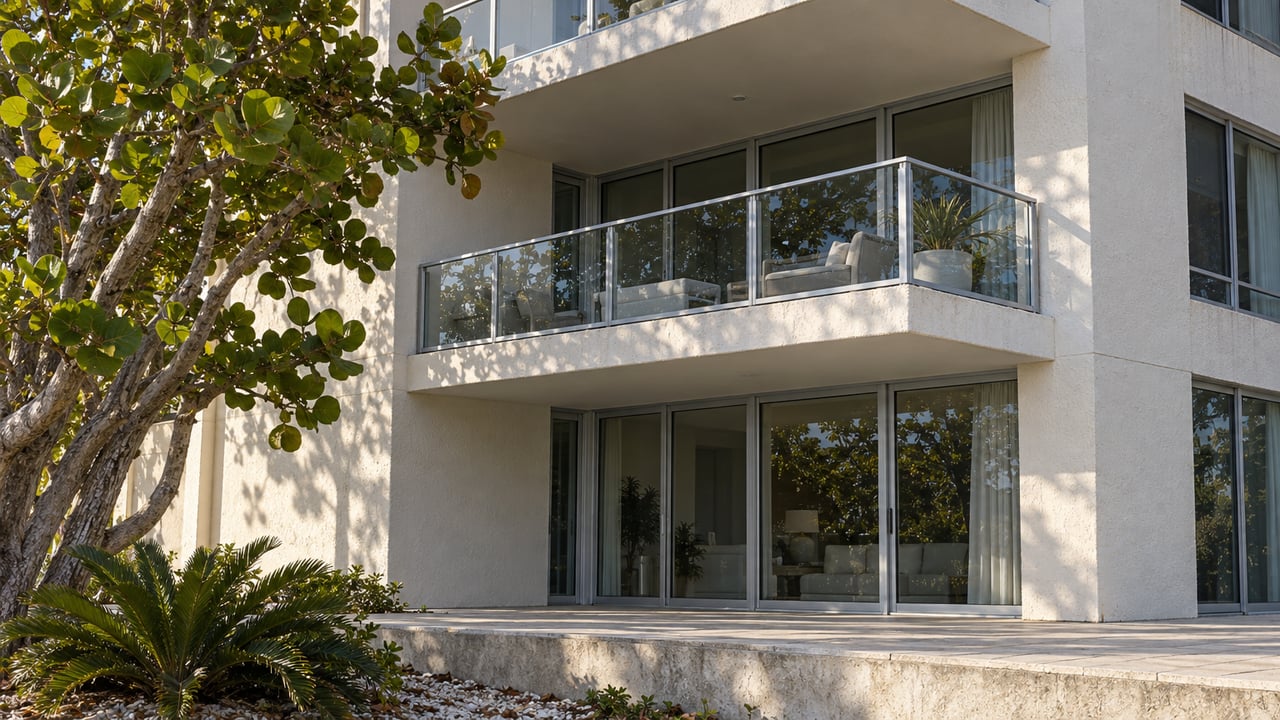
A lender's project review can include the building's inspection reports and repair history.
Three Dates on This Season's Calendar
Two more deadlines arrive before the winter selling season is fully underway. Combined with the August change, this is the sequence a financed buyer is working within:
- August 3, 2026. Limited Review and Streamlined Review are retired for applications dated on or after this date. A lender relying on a reserve study must confirm the budget includes the study's highest recommended reserve allocation. The baseline funding method, which lets the reserve balance approach zero, is no longer allowed.
- December 31, 2026. Florida's Department of Business and Professional Regulation says qualifying associations whose milestone inspection is due on or before this date may complete the structural integrity reserve study, or SIRS, at the same time, but no later than this date.
- January 4, 2027. For Full Review applications dated on or after this date, the minimum reserve allocation rises from 10% to 15% of the association's annual budgeted assessment income.
Association budgets are usually adopted late in the year, and the budget is among the documents a lender may ask for during project review.
Associations also have fewer options for underfunding reserves under state rules. DBPR says budgets adopted on or after January 1, 2025 can't waive or reduce SIRS reserves. Associations that voted to do so in earlier budgets must have started funding the study's schedule on January 1, 2026.
Finding Information About a Building
A buyer gets these records mainly through the association, the lender and the transaction itself. Fannie Mae's Condo Status Finder is open to lenders, associations, management companies and their authorized advisers, and Fannie doesn't share project eligibility decisions with other parties. A buyer can ask the association or the lender to check. Even a result of "No findings" only means Fannie hasn't identified an ineligible condition. It doesn't mean Fannie reviewed or approved the project. Florida's statute on milestone inspections requires local agencies to report inspection counts to DBPR each year. It doesn't require counties to publish a list of buildings.
This post is general information, not legal or financial advice. Confirm how these rules apply to your purchase with your lender, a Florida real estate attorney or another qualified professional.
Quick Questions
Do small buildings face the same review? Not always. Fannie Mae expanded the Waiver of Project Review to new and established projects with 10 or fewer units. Projects with five to 10 units can't be part of a master association or larger development, and the waiver still requires that the project not have an "Unavailable" status and that it meet insurance requirements.
At what age does a building need a milestone inspection? DBPR says the requirement applies to residential condominium and cooperative buildings at least three habitable stories tall. The first inspection comes at 30 years and then every 10 years, or at 25 years where the local enforcement agency requires the earlier inspection.
Has the investor limit changed? Fannie Mae retired its 50% investment-property concentration limit for established projects under Full Review on investor loans.
If you're weighing a condo in Jensen Beach or on Hutchinson Island and plan to finance it, the team at Amy Hayden can help you request the association's milestone summary and reserve study early and get them to your lender before an offer goes in. Contact Us to talk through a specific building.